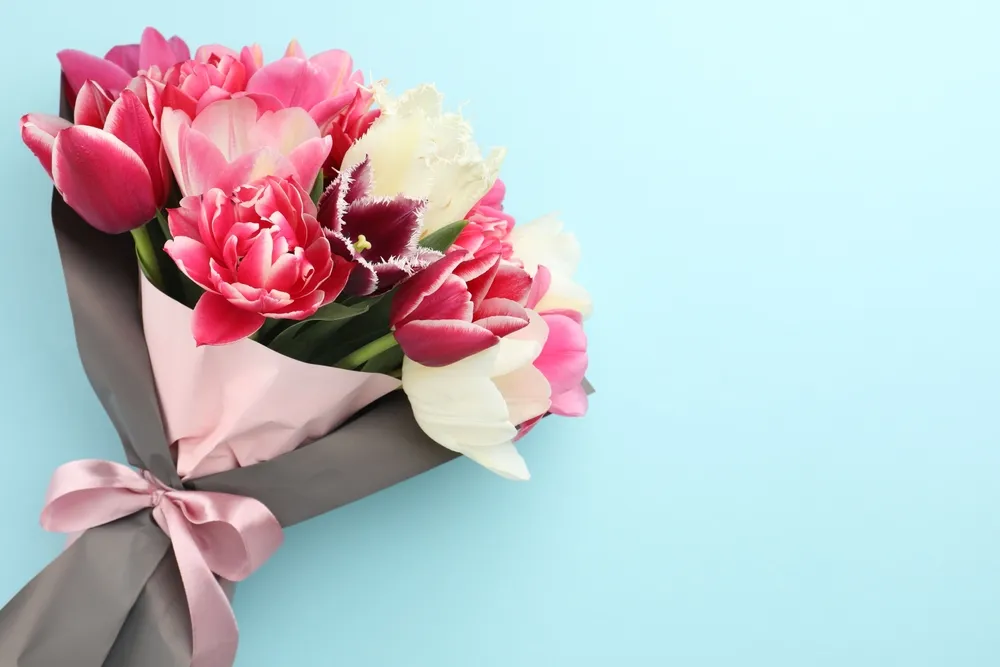
There is a profound difference between a bouquet that feels full and a bouquet that feels complete. At Flor Amor, we often remind clients that luxury is not measured by the number of stems in an arrangement. It is measured by intention. The modern minimalist bouquet embraces this philosophy beautifully. Every stem is selected because it contributes something essential to the composition, whether it is a graceful curve, a sculptural silhouette, a distinctive texture, or a subtle shift in tone.
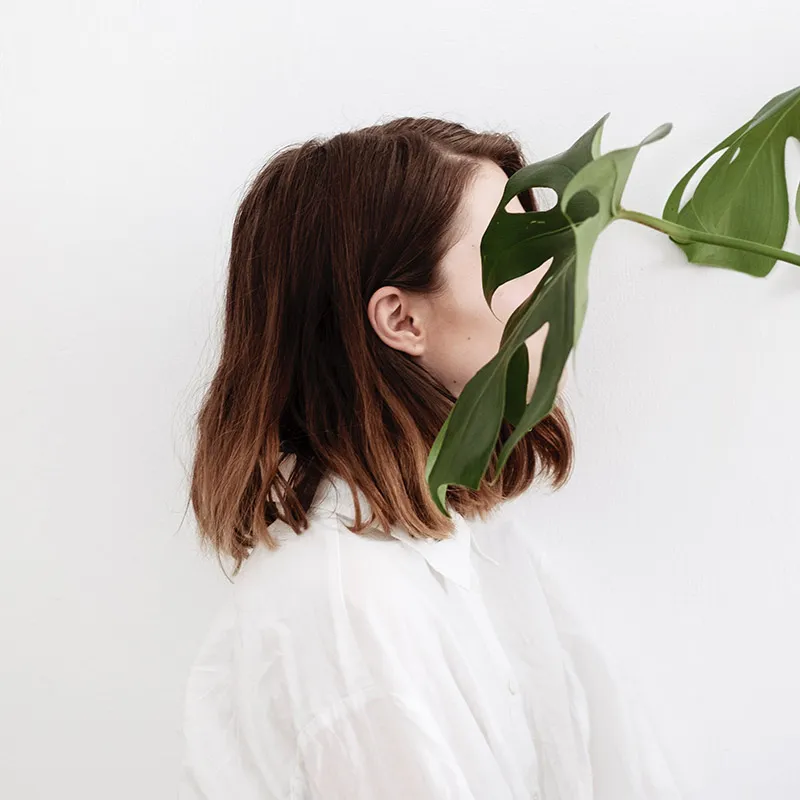
When designing minimalist flower bouquets in our studio, we spend as much time considering what to leave out as what to include. The result is an arrangement that feels calm, sophisticated, and effortlessly modern. Rather than competing for attention, each bloom is given space to express its natural character. The eye can appreciate the elegant line of a calla lily, the unfolding movement of a tulip, or the architectural presence of a single monstera leaf without distraction.
Minimalism in floral design is not about scarcity. It is about clarity. It celebrates the beauty of flowers in their purest form and creates arrangements that feel timeless in contemporary homes, weddings, and gifting occasions.
What Makes a Flower Bouquet Minimalist?
A minimalist flower bouquet is a floral arrangement that uses a limited number of carefully selected stems, restrained color palettes, and intentional negative space to emphasize shape, texture, movement, and individual botanical beauty rather than abundance or complexity.
Focus on a Single Variety (Monofloral)
Some of the most striking arrangements we create are monofloral designs composed entirely of one flower variety. When dozens of different blooms compete within the same arrangement, individual characteristics can become lost. A monofloral bouquet allows the viewer to experience the true personality of the flower.
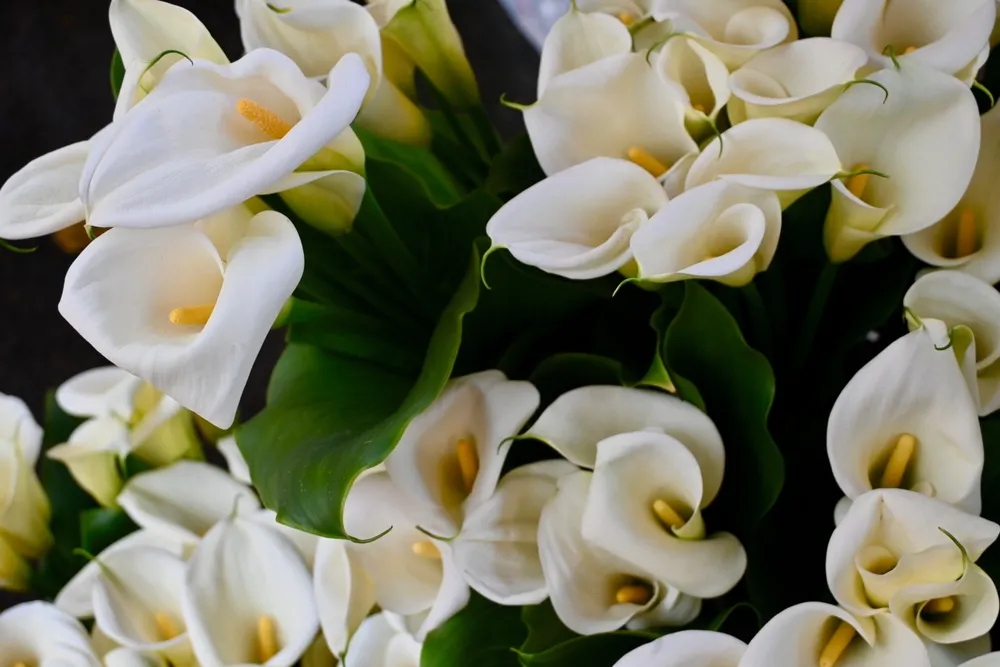
A grouping of white calla lilies reveals the elegance of their elongated trumpet forms. A cluster of pale ranunculus highlights the intricate layering of petals that resemble fine silk. Monofloral arrangements create visual harmony because the repetition of shape establishes rhythm throughout the design. This consistency feels sophisticated, modern, and highly intentional.
Embracing Negative Space and Shape
In traditional floral design, fullness is often considered desirable. Minimalist design challenges this assumption by treating the empty spaces between stems as equally important design elements.
The intervals between flowers create breathing room for the composition. These spaces direct the eye and establish visual balance. When arranging flowers, we often step back repeatedly to assess not only the flowers themselves but the shapes formed by the open areas surrounding them.
This approach allows each stem to maintain its individuality while contributing to a larger architectural structure. The result feels refined rather than crowded.
A Muted or Restricted Color Palette
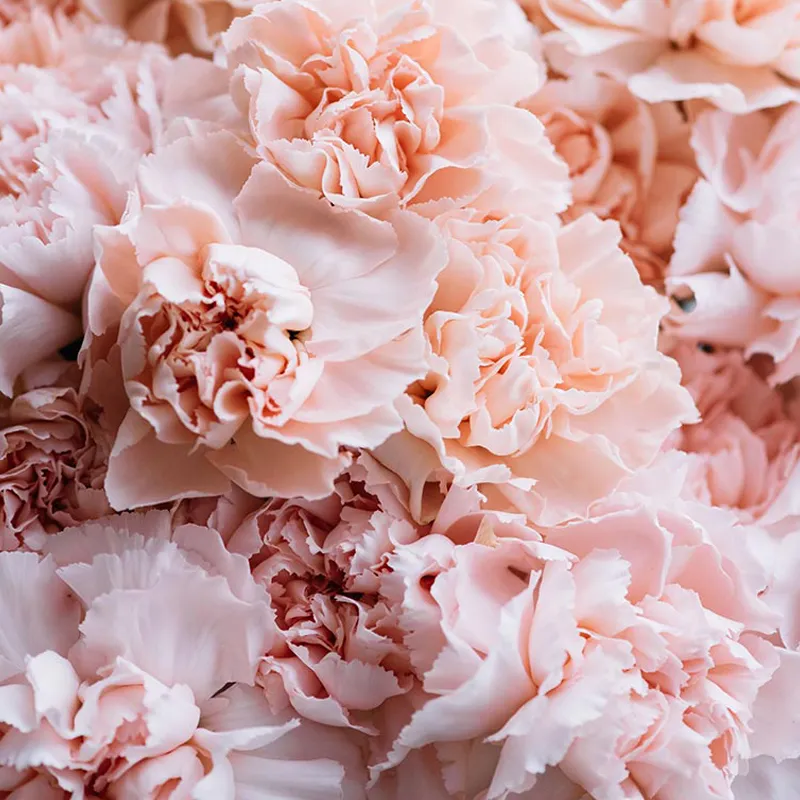
Minimalist bouquets often rely on monochromatic or closely related color palettes. Soft whites, warm creams, muted blush tones, pale greens, and subtle taupes allow texture and form to become the primary focus.
Color theory supports this approach. When visual contrast is reduced, the eye naturally pays greater attention to texture, proportion, and movement. A bouquet composed entirely of ivory flowers can reveal dozens of subtle tonal variations that would otherwise be overlooked in a more colorful arrangement.
The effect is elegant, calming, and exceptionally versatile within modern interiors.
Best Flowers for a Minimalist Arrangement
| Flower Variety | Line Quality | Texture | Average Vase Life | Visual Impact | Best Structural Companion |
| Calla Lily | Strong vertical | Smooth, sculptural | 7–10 days | High | Eucalyptus |
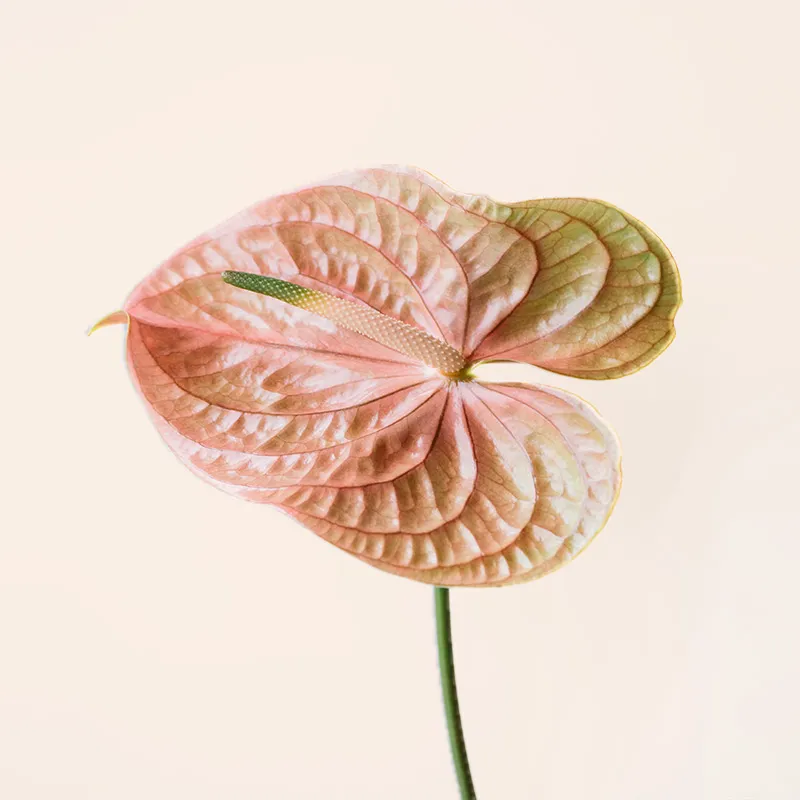
| Anthurium | Geometric and bold | Waxy, reflective | 10–14 days | High | Monstera |
| Tulip | Soft and dynamic | Satin-like | 5–7 days | Medium | Seeded Eucalyptus |
| Ranunculus | Rounded and layered | Delicate petals | 5–8 days | Medium | Italian Ruscus |
| Anemone | Elegant and airy | Lightweight | 5–7 days | Medium | Olive Branches |
| Phalaenopsis Orchid | Cascading and graceful | Velvet-like | 14–21 days | Very High | Smoked Glass Vessel |
| Eucalyptus | Organic and flowing | Matte foliage | 10–14 days | Medium | Calla Lily |
| Monstera Leaf | Architectural | Glossy | 14+ days | High | Anthurium |
| Dried Palm | Structural | Textured | Months to years | High | Neutral Ceramic Vase |
Single-Stem Statement Flowers (Calla Lilies, Anthuriums)
Calla lilies and anthuriums possess a rare ability to command attention even when displayed individually. Their wax-like surfaces reflect light beautifully, while their clean geometric forms naturally align with contemporary interiors.
When placing a single calla lily into a tall ceramic vessel, the flower becomes less of an arrangement and more of a living sculpture. Anthuriums offer a similar effect with their glossy heart-shaped spathes and bold modern silhouette.
Delicate Textures (Tulips, Ranunculus, Anemones)
Tulips are among the most fascinating flowers in minimalist design because they continue growing after placement in water. Their stems gradually bend toward light sources, creating organic movement that evolves day by day.
Ranunculus and anemones possess a softer character. Their petals open gradually, revealing increasing complexity over time. This sense of transformation creates an arrangement that feels alive and constantly changing.
Architectural Foliage (Eucalyptus, Monstera, Dried Palms)
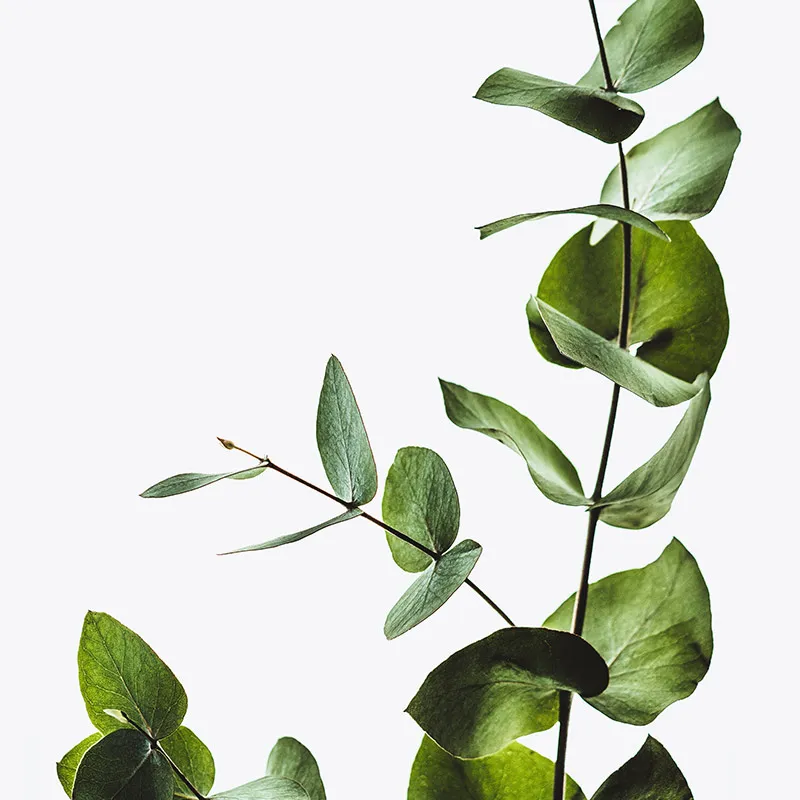
Minimalism frequently relies on foliage as much as flowers. Eucalyptus introduces flowing lines and subtle movement. Monstera leaves contribute bold tropical geometry. Dried palms add permanence and texture while maintaining clean silhouettes.
These elements often serve as the framework that supports the visual narrative of the bouquet.
Step-by-Step: How to Design a Minimal Flower Bouquet
| Phase | Primary Action | Specific Artisan Technique |
| Foundation | Select the focal stem | Choose the flower with the strongest visual character |
| Structure | Determine stem quantity | Apply odd-number groupings to create asymmetrical balance |
| Vessel Selection | Match vase to flower scale | Use proportion guidelines of approximately 1.5 times stem height |
| Conditioning | Prepare stems | Remove foliage below water line and hydrate thoroughly |
| Composition | Establish movement | Position stems at varying angles for natural flow |
| Refinement | Evaluate negative space | Adjust spacing until each stem has visual independence |
| Preservation | Final hydration | Use professional floral preservative solution |
Step 1: Selecting Your Focal Point
Every successful minimalist bouquet begins with a defining stem. This focal flower establishes the visual direction of the entire composition. Whether it is a dramatic anthurium or a single orchid branch, the arrangement grows around its character.
Step 2: The Rule of Odds (Using 3, 5, or 7 Stems)
Odd-numbered groupings create natural asymmetry. Human perception tends to find odd-number arrangements more dynamic and less rigid than even-number compositions.
A trio of tulips feels more organic than four. Five stems often create ideal balance. Seven stems allow greater complexity while preserving minimalist integrity.
Step 3: Choosing the Right Modern Vase
The vessel acts as a visual partner to the flowers. Matte ceramic introduces softness and weight. Smoked glass provides transparency and contemporary elegance. Raw concrete vessels create an industrial contrast that highlights delicate blooms.
| Vase Material | Visual Weight | Best Flower Pairing | Design Style |
| Matte Ceramic | Heavy | Tulips, Ranunculus | Scandinavian |
| Smoked Glass | Light | Orchids, Calla Lilies | Modern Luxury |
| Raw Concrete | Heavy | Anthuriums | Industrial Modern |
| Clear Glass | Neutral | Monofloral Designs | Contemporary |
| Stoneware | Medium | Seasonal Stems | Organic Modern |
Step 4: Trimming and Positioning for Natural Movement
Professional florists rarely place stems straight into water without preparation. Each stem is cut at a sharp 45-degree angle, increasing water uptake by expanding the exposed vascular tissue.
Hand-stripping excess foliage prevents submerged leaves from decaying and introducing bacteria into the vase. Once conditioned, stems are positioned to follow their natural growth habits rather than being forced into rigid patterns. This creates movement that feels effortless and authentic.
Minimalist Floral Design for Special Occasions
Chic Minimal Wedding Bouquets
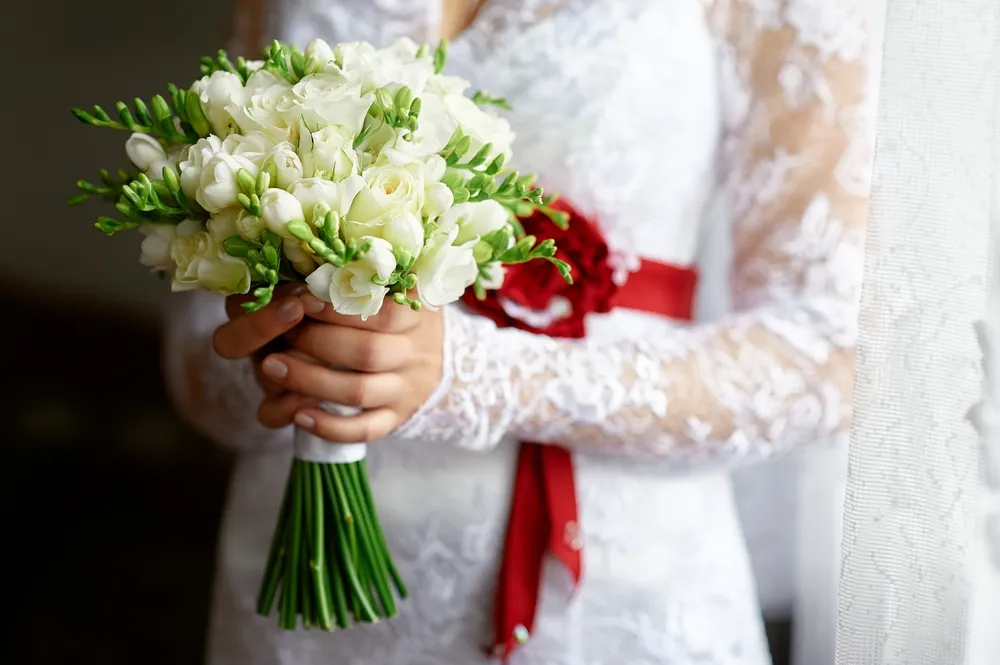
A minimalist wedding bouquet creates a sense of confidence. There is something remarkably elegant about a bride carrying a carefully composed clutch of white calla lilies or garden roses. Rather than overwhelming the gown, the bouquet complements it.
The simplicity photographs beautifully and remains timeless long after floral trends have changed.
Understated Home Decor Accent Arrangements
Three carefully selected stems can transform a room more effectively than a large centerpiece. A trio of tulips placed on a dining table introduces color, movement, and life without dominating the space.
Minimal arrangements work particularly well in modern interiors where clean lines and open spaces already define the aesthetic.
Thoughtful, Simple Floral Gifts
One immaculate bloom wrapped in heavy kraft paper often communicates more sincerity than an oversized arrangement. The gesture feels personal because attention has been directed toward quality rather than quantity.
Minimalist gifting reflects thoughtfulness and appreciation for craftsmanship.
Pro Tips for Keeping Minimal Arrangements Fresh
Why Clean Water Matters More in Minimal Design
In minimalist arrangements, every detail is visible. A cloudy vase immediately disrupts the clean aesthetic. Professional florists understand that bacteria multiply rapidly in standing water, creating vascular blockages that restrict hydration.
Fresh water should be replaced every two to three days. Professional hydration solutions containing balanced sugars, acidifiers, and antimicrobial agents can significantly extend vase life. Maintaining pristine water clarity preserves both flower health and visual beauty.
Artful Pruning: Removing Excess Foliage
Leaves located below the water line should always be removed. These submerged leaves decay quickly and create bacterial growth that shortens flower longevity.
Beyond preservation, careful pruning enhances aesthetics. Removing unnecessary foliage creates cleaner silhouettes and directs hydration resources toward the flower itself. The result is a stronger bloom and a more refined composition.
| Care Task | Frequency | Purpose |
| Replace Water | Every 2–3 Days | Prevent bacterial growth |
| Recut Stems | Every 3 Days | Improve hydration uptake |
| Remove Wilted Material | Daily | Preserve appearance |
| Add Floral Preservative | With Every Water Change | Extend vase life |
| Keep Away from Heat | Continuous | Reduce dehydration |
Frequently Asked Questions (FAQ)
How many flowers should be in a minimalist bouquet?
Most minimalist bouquets contain between three and seven stems, although a single statement flower can be equally effective. The emphasis is always on intentional selection rather than quantity.
Can a colorful bouquet still be considered minimalist?
Yes. Minimalism is defined more by restraint and composition than by color alone. A bouquet can feature vibrant flowers while maintaining a limited palette and strong use of negative space.
What vase goes best with minimal flowers?
Simple vessels with clean lines work best. Matte ceramic, smoked glass, stoneware, and clear glass containers all complement minimalist arrangements because they support rather than compete with the flowers.
FAQ
How many flowers should be in a minimalist bouquet?
A minimalist bouquet typically contains between 3 and 7 stems, although a single statement flower can create an equally elegant design.
Can a colorful bouquet still be considered minimalist?
Yes. A bouquet can be colorful and still be minimalist if it uses a limited number of stems, a restrained color palette, and intentional spacing.
What vase goes best with minimal flowers?
Simple vases with clean lines, such as matte ceramic, clear glass, or stoneware vessels, complement minimalist flower arrangements best.
What flowers are most commonly used in minimalist bouquets?
Calla lilies, tulips, ranunculus, anthuriums, orchids, and eucalyptus are among the most popular flowers for minimalist floral designs.
Are minimalist flower bouquets suitable for weddings?
Absolutely. Minimalist wedding bouquets offer timeless elegance and allow the beauty of the dress and overall wedding aesthetic to shine.
How long do minimalist flower arrangements last?
Most minimalist arrangements last between 5 and 14 days, depending on the flower variety and proper care.
Bring the Beauty of Simplicity Home with Flor Amor
At Flor Amor, we believe the most memorable floral designs often say the most with the least. A carefully selected stem, thoughtfully conditioned and artfully placed, possesses the power to transform a room, elevate a celebration, or express a heartfelt sentiment with extraordinary elegance.
Whether you are exploring seasonal stem deliveries, attending one of our floral design workshops, or discovering our curated studio collections, our approach remains the same. Every arrangement is crafted with respect for the natural beauty of the flower itself.
The beauty of minimalism is not absence. It is intention. And when every stem has a purpose, simplicity becomes unforgettable.
Author : Michelle , Flor Amor Owner & Designer

About Author :
Michelle is the owner and lead floral designer of Flor Amor, specializing in luxury flower arrangements, graduation bouquets, wedding florals, orchid leis, and modern floral styling across Orange County. With deep experience in floral business management and artistic bouquet design, Michelle focuses on combining premium flower quality with elegant presentation and personalized floral concepts. Her expertise includes handcrafted rose bouquets, tropical floral arrangements, event florals, and customized graduation flowers designed to create memorable emotional experiences. Through Flor Amor, Michelle has built a reputation for modern floral aesthetics, attention to detail, and high-quality floral craftsmanship for celebrations, weddings, and luxury gifting occasions.
Contact us
michelle@floramoroc.com
Phone
(949) 392-6100
Address