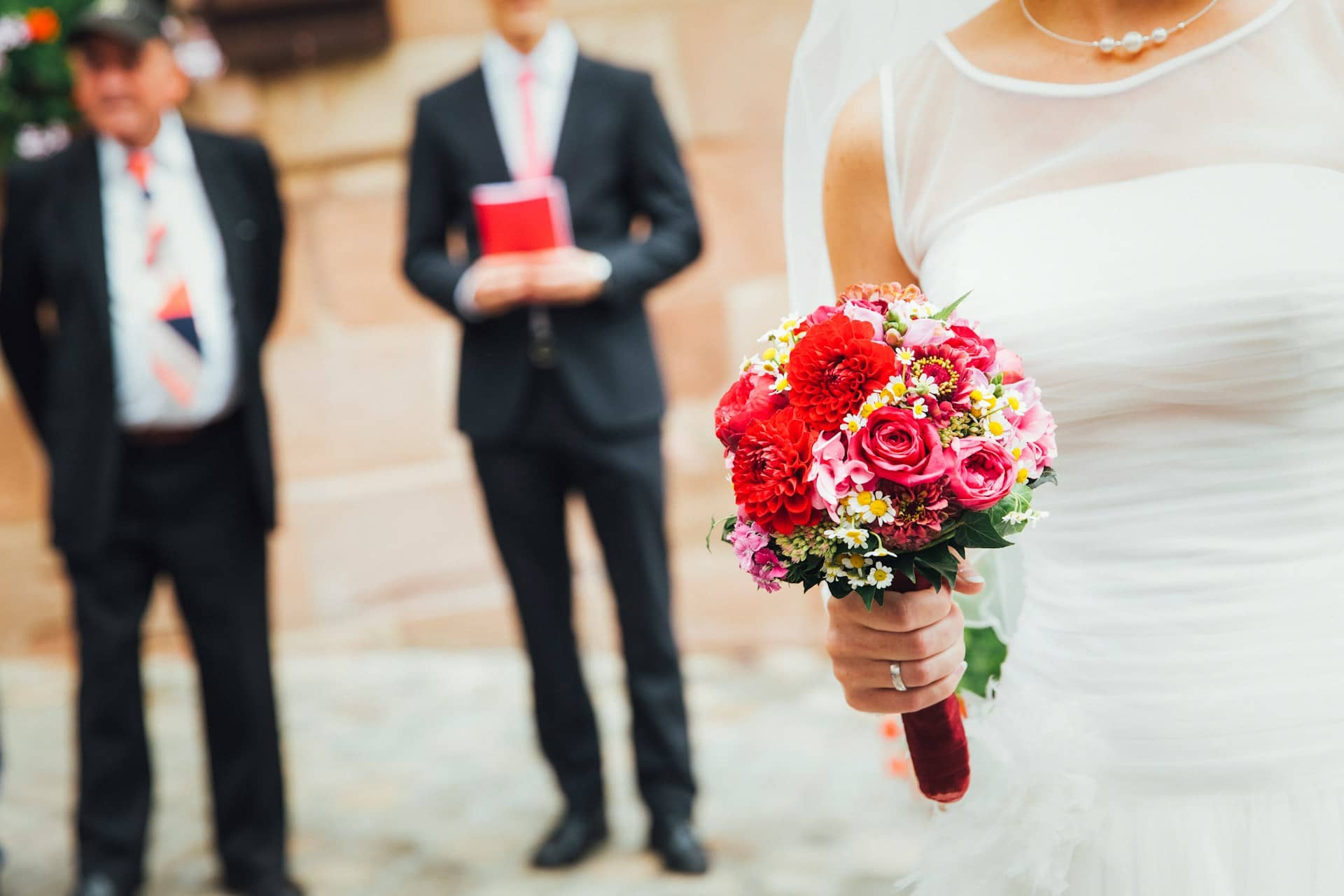
Bridal Bouquets represent far more than a decorative detail; they are one of the most emotionally charged elements of a wedding day. From the first steps down the aisle to the final photographs of the celebration, flowers become part of the visual memory that lasts long after the event itself. Traditionally, the bouquet symbolizes new beginnings, harmony, and commitment, but in modern weddings it also reflects personal style and intention. A well-chosen arrangement brings balance to the bridal look, connects the ceremony to its setting, and subtly communicates the mood of the entire event in a way no other accessory can.
Bridal Bouquets also serve as a unifying design element that ties together attire, venue, and décor. When thoughtfully planned, the flowers echo the textures of the gown, the palette of the space, and the emotional tone of the celebration. Rather than standing apart, the bouquet becomes part of a cohesive visual story. Professional floral design focuses on proportion, movement, and symbolism to ensure the arrangement enhances the bride’s presence instead of overpowering it, resulting in a refined and intentional appearance.
Matching Your Wedding Style to Floral Design
Bridal Bouquets should always begin with a clear understanding of the wedding style. A formal ballroom ceremony, an intimate garden gathering, and a modern urban celebration all require different floral approaches. Defining the aesthetic early allows the floral design to feel natural rather than forced. When the bouquet aligns with the overall vision, it reinforces the atmosphere guests experience from the moment they arrive to the final farewell.
Bridal Bouquets for romantic weddings often feature soft textures, layered petals, and timeless blooms that evoke elegance and emotion. These designs rely on gentle color transitions and organic movement to create a sense of warmth and tradition. In contrast, modern celebrations favor cleaner lines and intentional simplicity, using fewer flower varieties to achieve a bold yet restrained effect that feels contemporary and confident.
Symbolic Flower Meanings
- White flowers: purity, new beginnings
- Red flowers: strength, life force, passion
- Green foliage: balance and protection
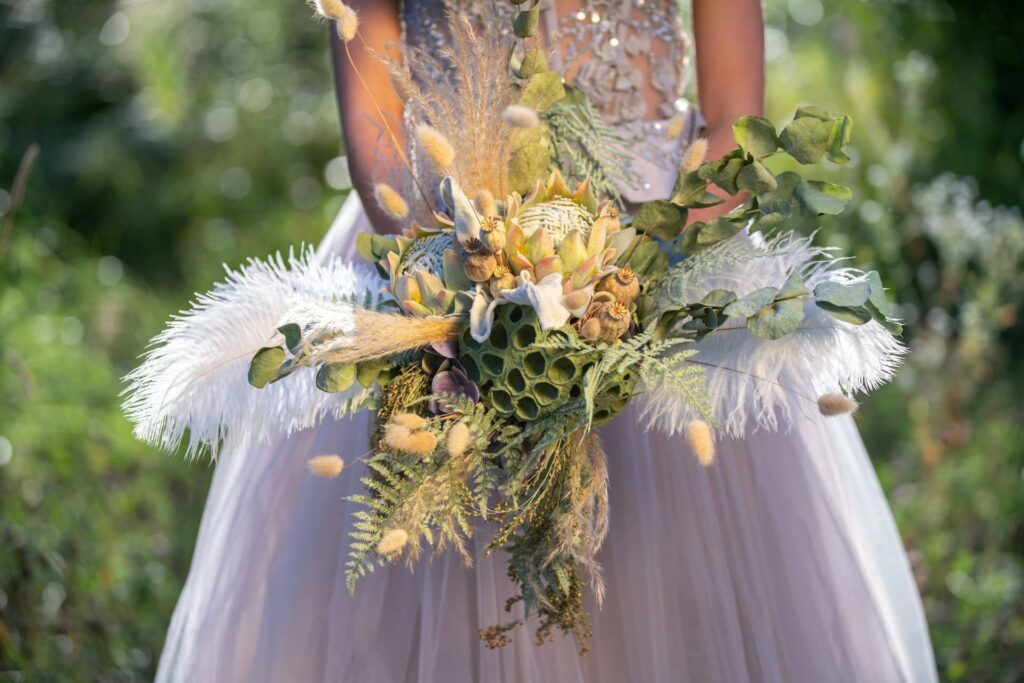
- Feathers or natural elements: spiritual guidance and honor
Bridal bouquets rooted in cultural symbolism may include herbs, grains, or sacred plants that represent ancestry and blessings for the future.
These bouquets are often deeply personal and one-of-a-kind.
Romantic and Classic Aesthetics
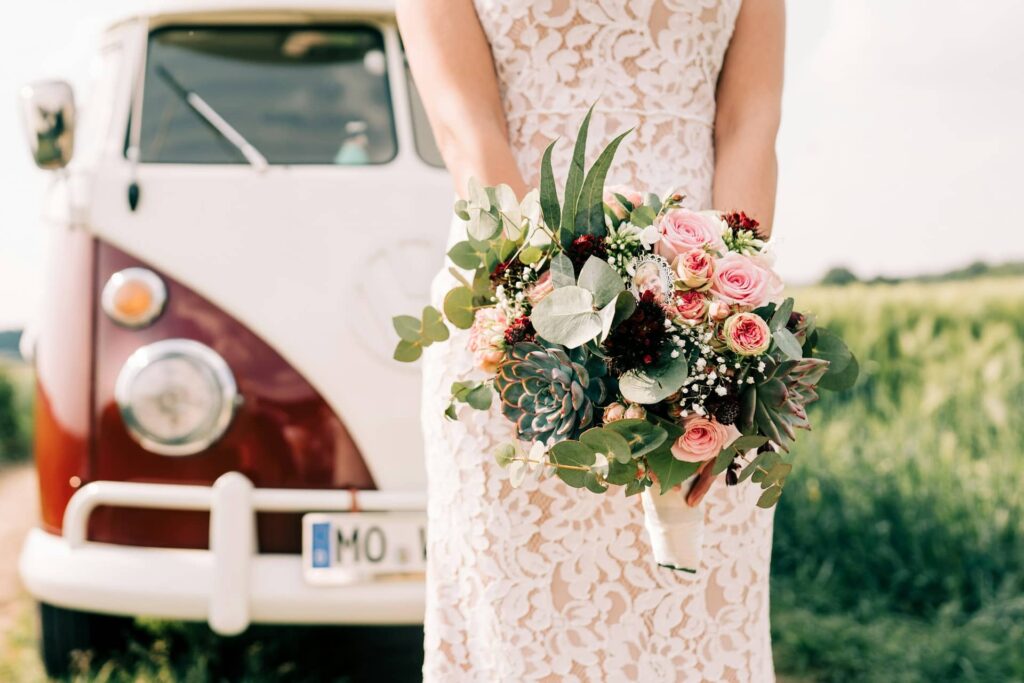
Bridal Bouquets in classic or romantic settings are designed to feel enduring rather than trend-driven. The focus is on harmony and softness, allowing the flowers to complement lace gowns, traditional venues, and candlelit receptions. These arrangements are often rounded and flowing, creating a sense of balance that enhances the bride’s overall silhouette without distraction.
Modern and Minimal Aesthetics
Bridal Bouquets designed for modern weddings prioritize structure and clarity. The emphasis is placed on form, contrast, and negative space, allowing each floral element to stand on its own. These designs work particularly well with sleek dresses and architectural venues, where simplicity becomes a statement of confidence and sophistication.
How to Brief Your Florist for the Best Result
Bridal Bouquets turn out best when your florist receives clear, organized direction rather than scattered inspiration. Start by sharing three words that define your style, followed by three images that match those words consistently. Provide your palette, your dress neckline, and whether your wedding is indoor or outdoor, because light changes how colors read in photos. Explain what you want the bouquet to do: feel soft and romantic, look editorial and modern, or appear organic and earthy. When you communicate this way, your florist can design Bridal Bouquets that feel customized rather than generic, and the final arrangement will align beautifully with the rest of your wedding design.
Seasonality and Natural Harmony
Bridal Bouquets look most natural and luxurious when the flowers are in season, because in-season blooms have better color depth, stronger petals, and longer-lasting freshness. Seasonality also supports budget efficiency since flowers that are abundant at the time of your wedding are easier to source at higher quality. Beyond practical benefits, seasonal design creates visual harmony; spring flowers often feel airy and romantic, summer flowers feel lush and vibrant, fall flowers feel warm and grounded, and winter selections feel crisp and elegant. When brides allow nature to guide the selection, Bridal Bouquets often look more refined and authentic without extra effort.
Bridal Bouquets also benefit from seasonal greenery and textures that reflect the environment. For example, airy foliage and delicate blooms feel natural in spring gardens, while richer tones and textured elements complement autumn venues. Even within the same palette, the “feel” of flowers changes with the season, and that influences the emotional tone of the bouquet. Seasonality is not about limitation; it’s a strategy that helps Bridal Bouquets appear balanced, premium, and visually connected to the day itself.
Proportion, Dress Pairing, and Comfort
Bridal Bouquets must match your body proportions and your dress silhouette to look intentional in photos. A highly embellished gown often pairs best with a bouquet that is elegant and controlled, while a minimalist dress can handle a bolder, sculptural bouquet without visual conflict. The bouquet should also sit correctly against your torso when held; it should complement the waistline, not hide it. Comfort is equally important, especially during long ceremonies or outdoor weddings. If the bouquet is heavy, awkward, or oversized, it can affect posture and create tension in photos. Well-designed Bridal Bouquets feel light enough to carry naturally and balanced enough to hold without strain.
Bridal Bouquets should also be designed with durability in mind, especially in warmer settings where flowers can wilt quickly. The stems should be wrapped properly, the bouquet should be constructed to hold its shape, and any delicate blooms should be placed strategically. When form and function work together, the bouquet stays beautiful from the aisle to the last photo. A professional florist will ensure Bridal Bouquets remain camera-ready and comfortable, so brides can focus on the moment rather than the flowers.
Types of Bridal Bouquets and Their Styles
Below is a clear, professional reference table outlining the most popular Bridal Bouquets, followed by an in-depth explanation to help brides understand which style best matches their wedding vision.
| Bouquet Type | Description | Best Suited For |
|---|---|---|
| Round Bouquet | Compact and symmetrical with a classic shape | Traditional, formal, and romantic weddings |
| Hand-Tied Bouquet | Loosely gathered stems with a natural flow | Garden, bohemian, and outdoor weddings |
| Cascading Bouquet | Flowers trail downward in a waterfall effect | Grand, luxury, and formal ceremonies |
| Nosegay Bouquet | Small, tightly arranged bouquet | Minimal, courthouse, or intimate weddings |
| Posy Bouquet | Slightly fuller than nosegay with visible stems | Vintage and classic-inspired weddings |
| Asymmetrical Bouquet | Uneven, organic shape with movement | Modern, editorial, and artistic weddings |
| Presentation Bouquet | Long-stem flowers carried in arm | Fashion-forward and contemporary weddings |
Round Bridal Bouquets
Bridal Bouquets in a round style are among the most traditional and timeless options available. This type features a compact, symmetrical arrangement where blooms are evenly distributed to create a polished and balanced appearance. Round bridal bouquets pair exceptionally well with classic wedding dresses, structured silhouettes, and formal venues such as ballrooms or churches. Their clean shape photographs beautifully from every angle, making them a popular choice for brides who value elegance, simplicity, and tradition. This style is also ideal for showcasing premium blooms like roses or peonies without visual distraction.
Hand-Tied Bridal Bouquets
Bridal Bouquets designed in a hand-tied style emphasize natural movement and organic beauty. Flowers are gathered loosely, allowing stems, textures, and greenery to remain visible and expressive. This bouquet style feels effortless and personal, making it a favorite for garden weddings, outdoor ceremonies, and bohemian celebrations. Hand-tied bridal bouquets complement flowing dresses, lace details, and relaxed wedding atmospheres. Their natural shape creates a romantic, lived-in look that feels authentic rather than overly styled, while still remaining visually refined when professionally designed.
Cascading Bridal Bouquets
Bridal Bouquets with a cascading design are dramatic, elegant, and visually striking. This style features flowers that flow downward in a waterfall-like shape, creating movement and grandeur. Cascading bridal bouquets are often chosen for formal weddings, luxury venues, and statement gowns with long trains or dramatic silhouettes. Because of their scale and structure, they work best for brides who want their bouquet to make a bold impression. When carefully proportioned, cascading designs enhance posture and add a regal presence without overwhelming the overall look.
Nosegay Bridal Bouquets
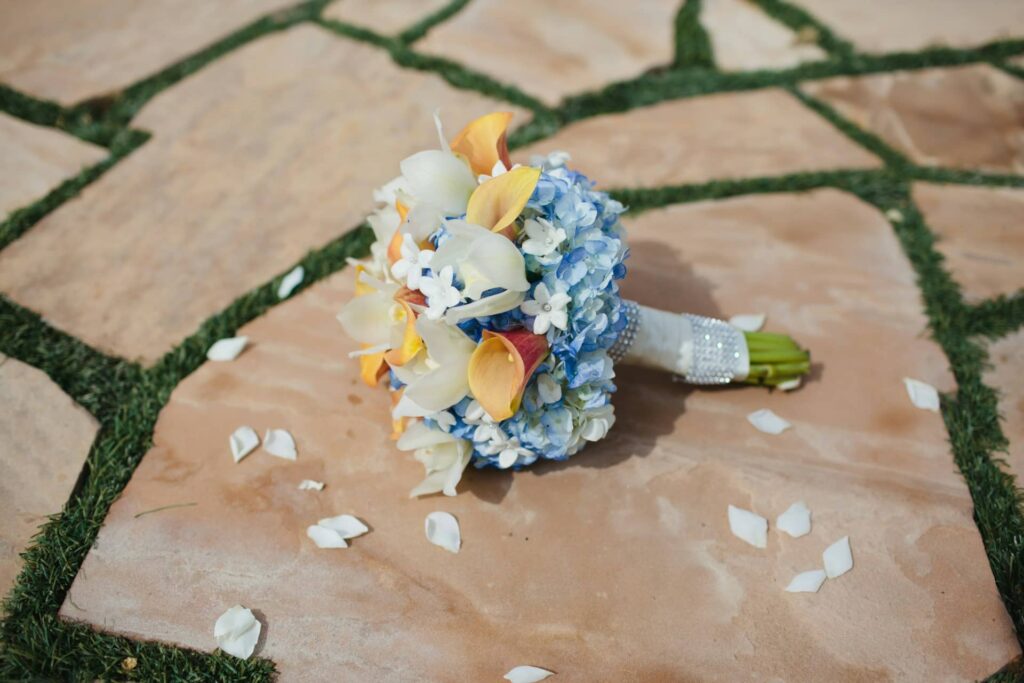
Bridal Bouquets in a nosegay style are small, tightly arranged, and intentionally minimal. These bouquets are ideal for brides who prefer subtle elegance or are planning intimate ceremonies, courthouse weddings, or elopements. The compact size allows for easy carrying and a clean appearance, making the bouquet feel like a refined accessory rather than a focal point. Nosegay bridal bouquets work well with modern dresses, simple silhouettes, and minimalist aesthetics, offering a quiet sophistication that does not compete with other design elements.
Posy Bridal Bouquets
Bridal Bouquets crafted in a posy style are slightly fuller than nosegays but still maintain a neat and classic form. This bouquet type often features visible stems and a balanced floral arrangement, giving it a charming, vintage-inspired feel. Posy bridal bouquets are well suited for traditional weddings with a softer, nostalgic tone. They pair beautifully with tea-length dresses, classic lace gowns, and heritage-inspired venues. The posy style offers a graceful middle ground between compact simplicity and fuller floral presence.
Asymmetrical Bridal Bouquets
Bridal Bouquets with an asymmetrical design are intentionally uneven, celebrating movement, texture, and artistic expression. This style is popular among modern brides who want their flowers to feel editorial and fashion-forward. Asymmetrical bridal bouquets often incorporate varied bloom sizes, trailing greenery, and unexpected angles, making each arrangement unique. They pair especially well with contemporary gowns, unconventional venues, and couples seeking a design-driven aesthetic. This bouquet style feels expressive and bold while still maintaining professional structure.
Presentation Bridal Bouquets
Bridal Bouquets in a presentation style are carried along the arm rather than held at the waist, featuring long-stem flowers arranged in a sleek, elongated form. This style is inspired by high-fashion and European bridal design, making it ideal for modern weddings and confident, style-conscious brides. Presentation bridal bouquets work beautifully with minimalist dresses and clean silhouettes, allowing the flowers to act as an extension of the bride’s posture and movement. The result is a refined, editorial look that feels sophisticated and intentional.
Best Flowers for Romantic Bridal Bouquets
- Roses for devotion and eternal love
- Peonies for romance and prosperity
- Ranunculus for charm and softness
- Garden roses for layered elegance
Color Palette
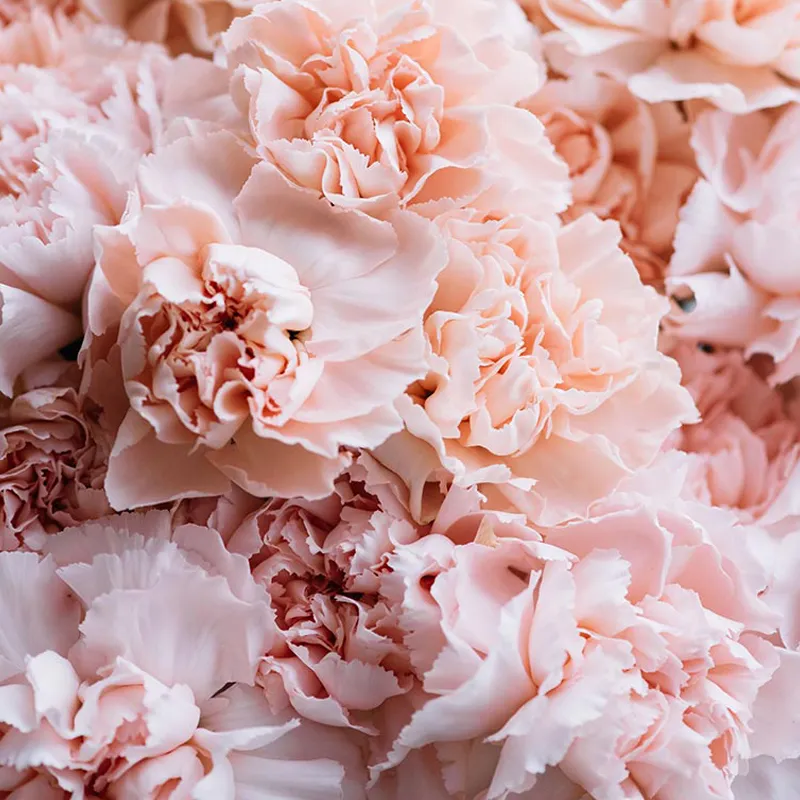
Blush, ivory, soft peach, champagne, and muted pastels create a gentle, timeless look.
Bouquet Shape
Loose, rounded, and garden-inspired arrangements feel natural and effortless—never stiff, always flowing.
Romantic bridal bouquets are perfect for classic ceremonies, garden weddings, vineyard venues, and candlelit evenings.
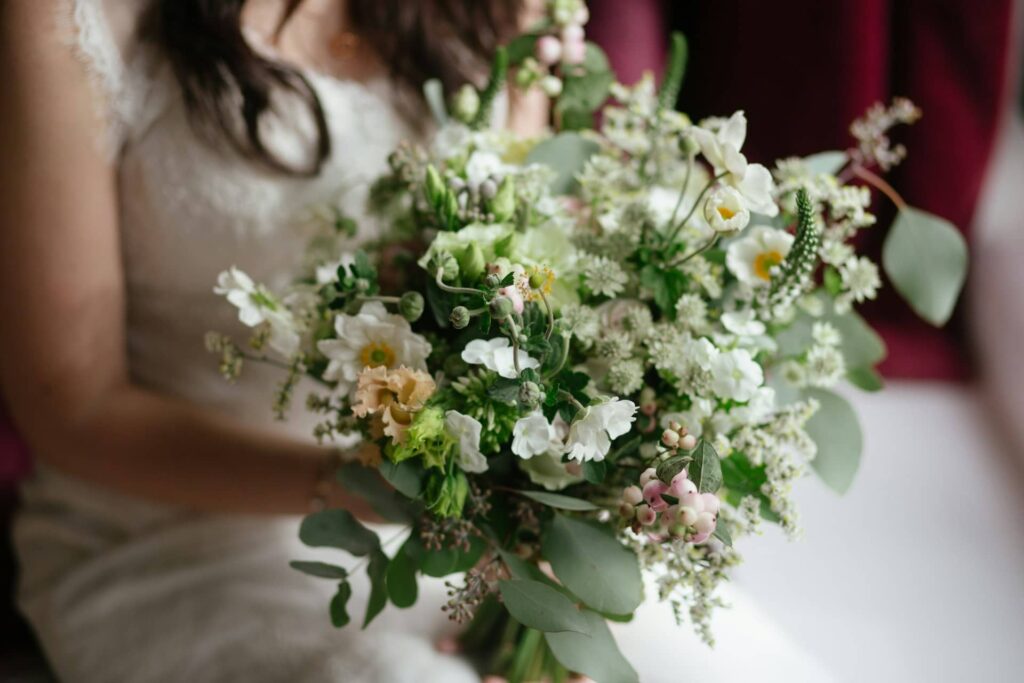
Modern & Minimal Weddings: Clean Lines and Intentional Design
Modern bridal bouquets speak in confident silence. They don’t need excess—they rely on intention.
Best Flowers for Modern Bridal Bouquets
- Calla lilies for sleek elegance
- Orchids for architectural beauty
- Anemones for contrast and sophistication
- Single-variety bouquets for bold simplicity
Color Palette
White, cream, deep green, muted neutrals, or high-contrast black-and-white combinations.
Bouquet Shape
Structured, asymmetrical, or elongated designs with clean silhouettes.
These bridal bouquets pair beautifully with contemporary venues, city weddings, and minimalist gowns.
Best Flowers for Boho Bridal Bouquets
- Dried grasses and pampas
- Wildflowers
- Protea for bold energy
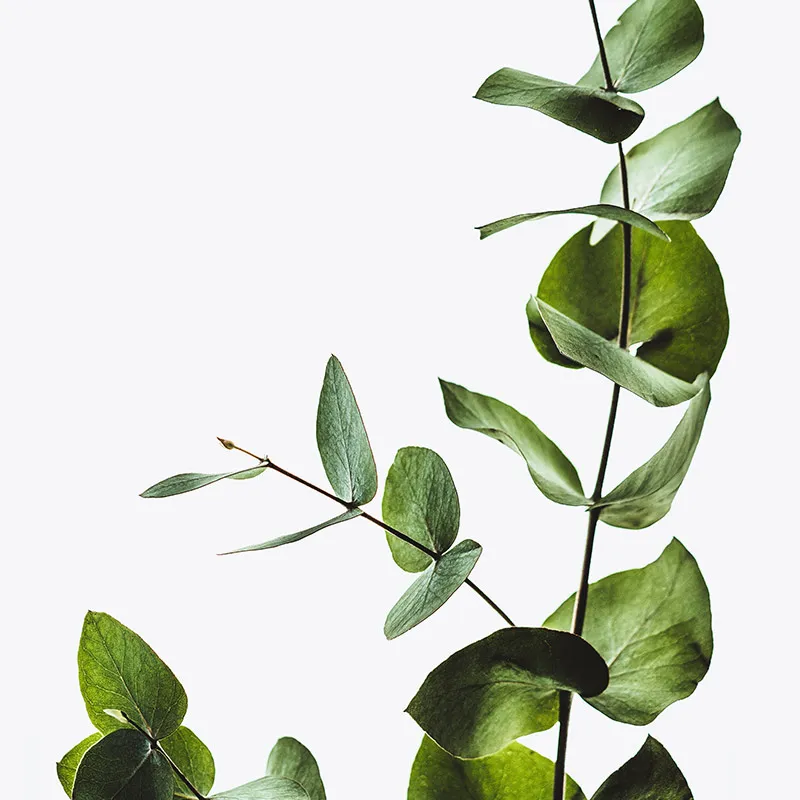
- Thistle, eucalyptus, and textural greens
Color Palette
Terracotta, rust, warm beige, sage green, dusty rose, and sun-faded neutrals.
Bouquet Shape
Asymmetrical, loose, and organic—designed to look like they were gathered at sunrise from an open field.
Boho bridal bouquets are ideal for desert weddings, outdoor ceremonies, and couples who value freedom and authenticity.
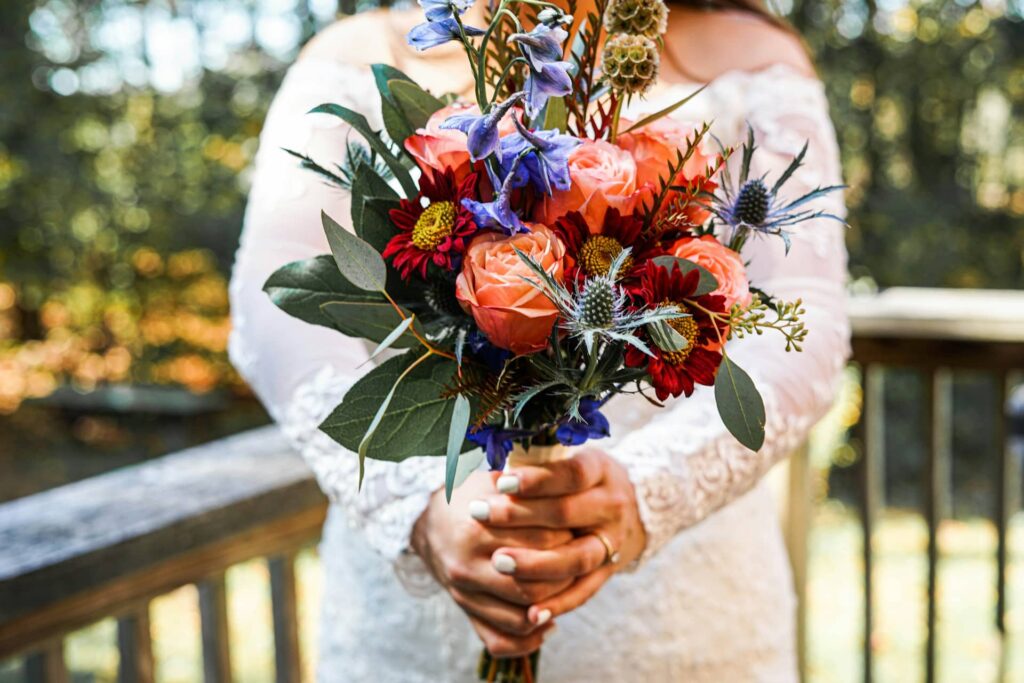
Rustic & Nature-Inspired Weddings: Grounded and Honest
Rustic bridal bouquets honor the simplicity of the earth. They feel warm, familiar, and deeply rooted.
Best Flowers for Rustic Bridal Bouquets
- Sunflowers for joy and warmth
- Dahlias for strength and creativity
- Lavender for peace and devotion
- Baby’s breath for innocence
Color Palette
Earth tones, soft yellows, dusty blues, greens, and natural whites.
Bouquet Shape
Hand-tied, slightly imperfect, and natural—never overly polished.
Rustic bridal bouquets are perfect for barn weddings, forest ceremonies, and countryside celebrations.
Frequently Asked Questions – Flor Amor, Orange County
1. Do you design custom bridal bouquets at Flor Amor?
Yes. Flor Amor specializes in fully customized bridal bouquets, designed based on your wedding style, color palette, season, and personal preferences to ensure a cohesive and elegant look.
2. How far in advance should I book Flor Amor for bridal bouquets?
We recommend booking Flor Amor at least 6–8 weeks in advance, especially during peak wedding season in Orange County, to ensure availability and access to the best seasonal flowers.
3. Can Flor Amor help match the bouquet to my wedding dress and venue?
Absolutely. As an experienced florist in Orange County, Flor Amor designs bridal bouquets that complement your dress silhouette, fabric details, and venue aesthetics for a polished, photo-ready result.
4. Do you use seasonal flowers for bridal bouquets?
Yes. Flor Amor prioritizes seasonal blooms whenever possible to ensure freshness, longevity, and natural harmony, while also offering suitable alternatives if specific flowers are unavailable.
5. Does Flor Amor offer bouquet preservation advice?
While Flor Amor focuses on floral design, we are happy to guide you on professional bouquet preservation options so you can keep your bridal bouquet as a lasting keepsake.
Conclusion
Choosing the right bridal bouquet is a meaningful part of wedding planning, and working with an experienced local florist makes all the difference. Flor Amor, a trusted florist in Orange County, combines professional floral artistry with personalized service to create bridal bouquets that reflect your style, enhance your wedding design, and remain timeless in both memory and photography. Whether your vision is romantic, modern, or nature-inspired, Flor Amor is dedicated to bringing it to life with care, precision, and creativity.